

Robotic Joint
Replacement Surgery
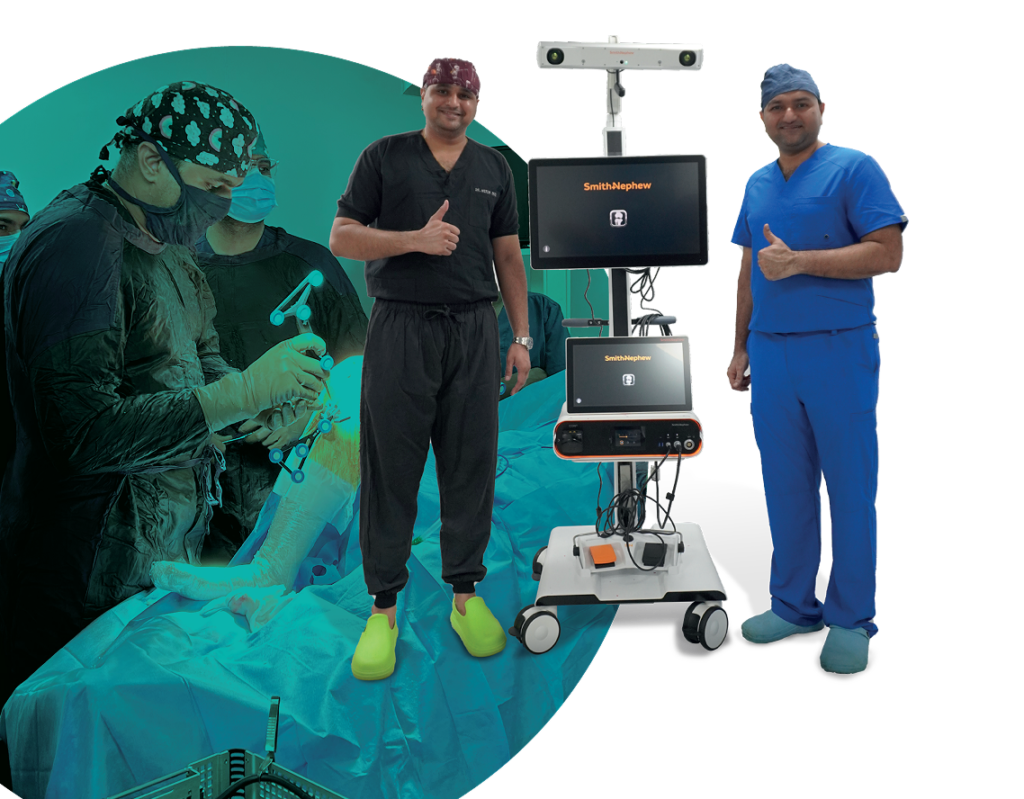
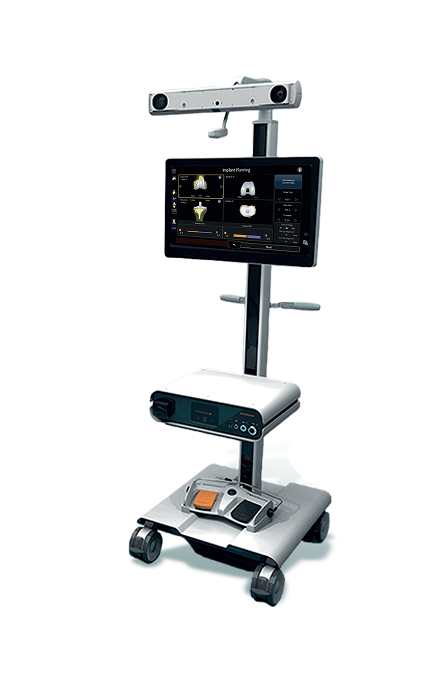
Robotic technology assists surgeons in planning and performing surgery by analyzing patient-specific imaging like X-rays, MRIs, or CT scans. It provides real-time guidance during surgery, ensuring precise placement of the knee or hip implant. This enhances accuracy by minimizing human error and optimizing implant alignment based on the patient’s data.
- Improved Joint Function: By restoring the joint’s natural alignment and movement pattern, patients often experience smoother motion and less stiffness during daily activities.
- Long Term Durability: Higher surgical accuracy helps reduce implant wear and loosening, improving the long-term success of the joint replacement.
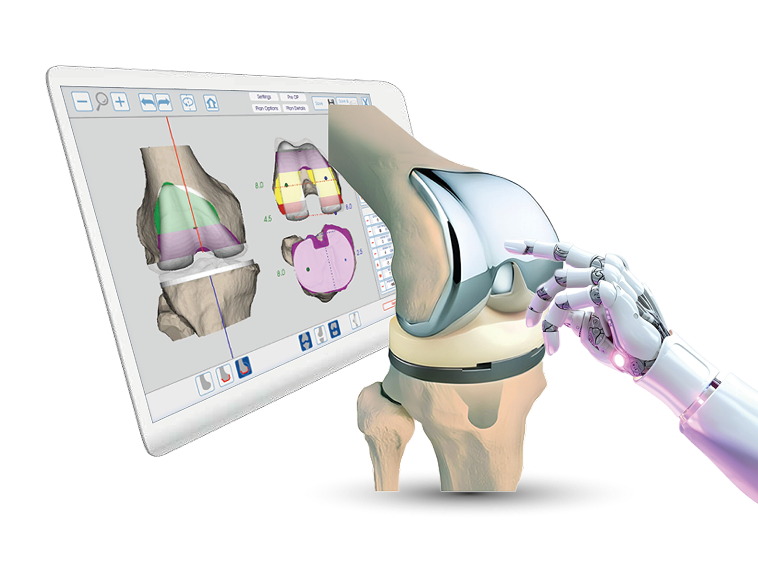
- Enhanced Precision: Robotic technology provides real-time guidance during surgery to achieve highly accurate implant alignment based on the patient’s individual anatomy. This helps improve joint stability and long-term implant performance.
- Personalized Surgical Approach: Unlike conventional joint replacement that uses standard alignment techniques, robotic surgery customizes the procedure according to the patient’s natural joint structure and movement.
- Faster Recovery: Minimal tissue disruption during the procedure helps reduce pain, shorten hospital stay, and support quicker rehabilitation.
Why Choose
Robotic Joint Replacement Surgery?
- Advanced Techniques
Advanced robotic systems assist surgeons in achieving high surgical precision and optimal implant placement.
- Quicker Recovery
Reduced tissue damage during robotic surgery allows faster healing and earlier return to daily activities.
- Natural Movement Restored
The procedure aims to replicate the joint’s natural alignment and biomechanics, helping patients regain comfortable and natural movement.
- Better Long-Term Results
Accurate implant positioning improves joint stability, implant lifespan, and overall patient satisfaction.